Here’s a draft blog post you can use, tailored for Central Florida homeowners and buyers and aligned with the themes from that article.floridadep+5
How to Identify and Build on Wetlands in Central Florida
If you’re shopping for land or a home site in Central Florida, there’s a good chance you’ll run into one word that makes buyers nervous: wetlands. The reality is that wetlands are common here and, with the right due diligence and planning, they don’t always have to be a deal breaker.creekeng+2
What Counts as a “Wetland” in Florida?
In everyday conversation, people often call any soggy low spot a wetland, but Florida law is more specific. The Florida Department of Environmental Protection (FDEP) defines wetlands based on three main pieces of evidence: water‑tolerant plants, hydric (water‑influenced) soils, and signs that the area holds water long enough to change the soil and vegetation. That means a property can look dry on a particular day and still legally be a wetland if those indicators are present.rspengineers+1
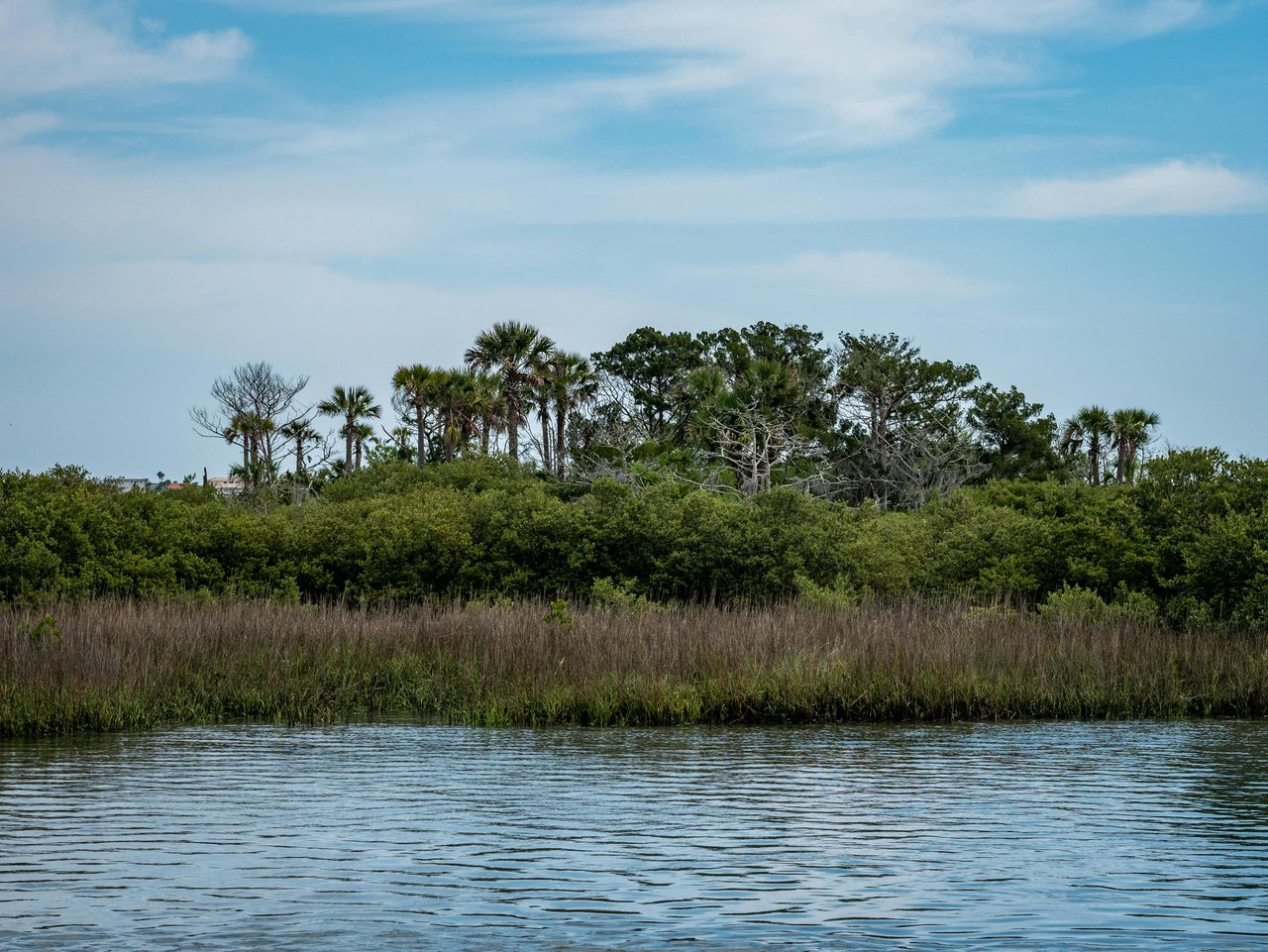
Common Florida wetland types include swamps, marshes, cypress domes, wet prairies, and riverine swamps, among others. On a residential lot, you’re most likely to see forested or shrubby pockets that hold water seasonally or after heavy rains.geodata.dep.state+1
First Clues Your Property Might Have Wetlands
Before you ever hire a professional, you can look for a few simple clues on and off the ground.cityofoviedo+1
On the property itself, pay attention to things like:
-
Standing water or soggy ground that stays wet long after a rain.floridadep+1
-
Water‑loving plants such as cattails, cypress, sawgrass, or other vegetation you typically see in swamps and marshes.floridadep
-
Dark, mucky soils, water stains on tree trunks, or leaf litter that looks decomposed and saturated.rspengineers+1
Online tools also give you a rough first pass:
-
NWI or other wetland mapping layers from state and federal agencies can show likely wetland areas.cityofoviedo+1
-
Local water‑management district and FDEP map viewers can flag possible wetlands and surface waters on or near a parcel.geodata.dep.state+1
These maps are a starting point only; they are not a legal determination of where wetlands begin and end.youtubecityofoviedo
Why a Wetland Delineation Is So Important
If you’re serious about buying or building, a proper wetland delineation is one of the most important investments you can make. A delineation is like a specialized land survey that identifies exactly which portions of your property qualify as wetlands under Florida’s rules and which portions are uplands.nationalland+1
Here’s how the process typically works in Florida:creekeng+2
-
An environmental consultant reviews aerials, soil maps, and other data to pinpoint potential wetland zones (desktop review).rspengineers+1
-
They walk the property, sample soils, observe vegetation and hydrology, and flag the wetland boundary on the ground.cityofoviedo+1
-
Those flags are then surveyed and mapped, producing a clear line between wetlands and uplands you can actually design around.nationalland+1
-
FDEP or your local water management district can review and confirm those boundaries for permitting through a formal or informal determination.floridadep+1
For property owners, that map becomes your blueprint for where you can reasonably place a house, driveway, pool, or outbuildings without stepping into trouble.creekeng+1
Can You Build on a Property With Wetlands?
The big question most buyers ask is: “Can I still build?” The answer is often “yes, but with conditions.”nationalland+1
In Florida, work that dredges, fills, or otherwise impacts wetlands typically requires permits through the Environmental Resource Permitting (ERP) program, as well as possible federal Section 404 permits. Regulators look at three main things:rspengineers+1
-
Can you avoid impacting wetlands by shifting the home, road, or infrastructure into upland areas?creekeng
-
If not, have you minimized those impacts as much as possible in your design?creekeng
-
For any remaining impacts, what mitigation are you proposing (such as purchasing credits from a mitigation bank or restoring wetlands elsewhere)?creekeng
Buying a lot that has both usable upland and some wetland in the back is very different from buying a lot that’s almost entirely wetland. In the first case, you may be able to build entirely on uplands and leave the wetland area as a preserved buffer, which is usually much simpler from a permitting standpoint. In the second case, you may still be able to build, but costs, timeframes, and the amount of mitigation required can increase significantly.nationalland+2
What a Wetland Delineation and Permitting Can Cost
Costs vary depending on property size and complexity, but a full wetland delineation with fieldwork, mapping, and reporting is a professional service you should budget for. More complex sites, with large acreage or multiple jurisdictional areas, can reach into the tens of thousands once you factor in surveys, applications, and potential mitigation obligations.nationalland+1
On top of consultant fees, you’ll want to account for:creekeng
-
Permit application fees to state and sometimes federal agencies.
-
Potential mitigation costs, often in the form of credits purchased from an approved mitigation bank.
-
Engineering and design revisions to show that impacts have been avoided or minimized before they are approved.
This is why it is so valuable to understand wetlands early in the due‑diligence period instead of after you’ve closed on the property.rspengineers+1
Smart Steps for Buyers and Owners in Central Florida
If you’re considering a property anywhere in Central Florida and suspect wetlands might be involved, here’s a practical sequence to follow:youtubecityofoviedo+1
-
Use online mapping tools and a site visit to see whether wetlands are likely.
-
If wetlands are possible, hire a qualified environmental consultant to perform at least a preliminary assessment, and ideally a full delineation if you plan to build.
-
Work with your builder, engineer, and consultant to sketch a concept plan that keeps your home and major improvements in uplands whenever feasible.
-
Engage early with the relevant agencies—FDEP and your water management district—so you understand exactly what permits and mitigation may be required.
By approaching wetlands with good information rather than fear, you can protect both your investment and Florida’s natural resources. In many cases, a thoughtful plan lets you enjoy a beautiful homesite with preserved natural areas while still achieving your building goals.floridadep+3
If you tell me your ideal word count and where you plan to publish this (your main site vs. a guest post), I can tighten or expand this and add a short intro and outro branded specifically to your business.